
A calmer way to prepare for exams
Help make exam preparation calmer with visible plans, active recall, realistic practice, and protected recovery.

Parents cannot remove every pressure from exam season. But you can help hold a better plan: one that turns a large syllabus into small decisions, gives practice a clear rhythm, and keeps confidence tied to what your child can do next.
Make the week visible
A visible plan lowers the number of decisions your child has to make while tired. The plan should say what to do next, not just that they should study more.
Recall before rereading
Closed-book questions, quick quizzes, and explaining a method from memory make learning more durable than passive review alone.
Practise the conditions
Short timed rehearsals teach pacing and reduce novelty. They work best when the debrief is factual rather than dramatic.
Protect recovery
Sleep, food, breaks, and calm routines are part of preparation. They are not rewards to earn after every task is finished.
Start with the syllabus, then shrink it
A syllabus is useful, but it is usually too big to act on. The parent job is not to become the teacher. It is to help convert the syllabus into decisions small enough for a tired student to start: one topic, one question type, one short review block, one mark scheme to check.
Sit together for twenty minutes and sort the subject into three lists: secure, shaky, and unknown. Secure topics still need light review. Shaky topics need worked examples and retrieval practice. Unknown topics need the smallest possible first step, such as watching one explanation, asking one teacher question, or trying one guided problem.
Make practice active
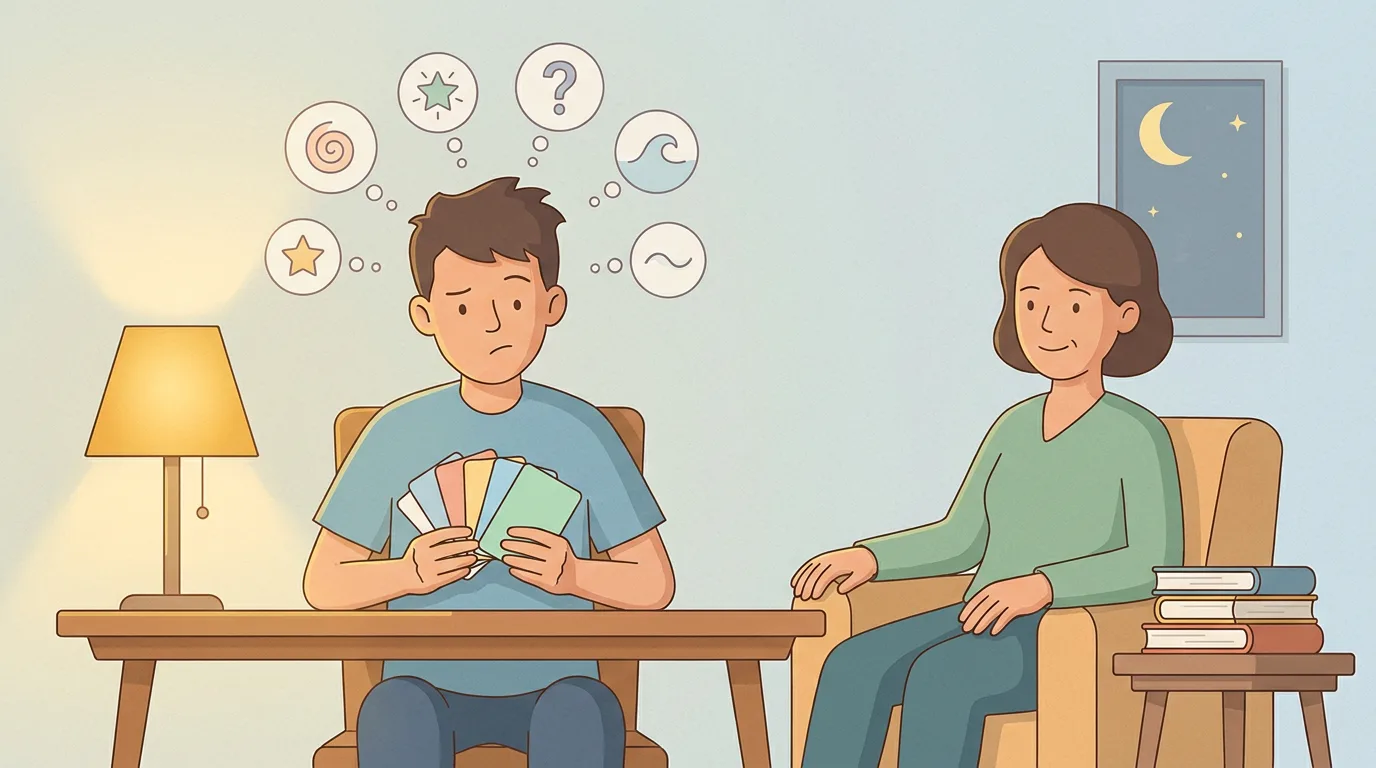
Research on learning consistently favours retrieval practice: trying to bring knowledge back from memory. That can feel harder than rereading notes, which is exactly why students often avoid it. Parents can help by making retrieval low-stakes and routine.
Ask your child to close the book and write everything they can remember about a topic for five minutes. Use flashcards in both directions. Have them explain a method aloud before checking the worked answer. Then give feedback quickly: what was accurate, what was missing, and what gets another try tomorrow.
Space the work instead of escalating it
Cramming can create a short burst of familiarity, but familiarity is not the same as recall under exam conditions. Spaced review gives the brain repeated chances to retrieve, forget a little, and retrieve again.
A simple weekly rhythm
- Choose two or three priority topics, not ten.
- Put short recall blocks before longer practice blocks.
- Review mistakes two days later, then again the following week.
- Leave blank space in the plan so a difficult day does not break the whole week.
Rehearse without catastrophizing
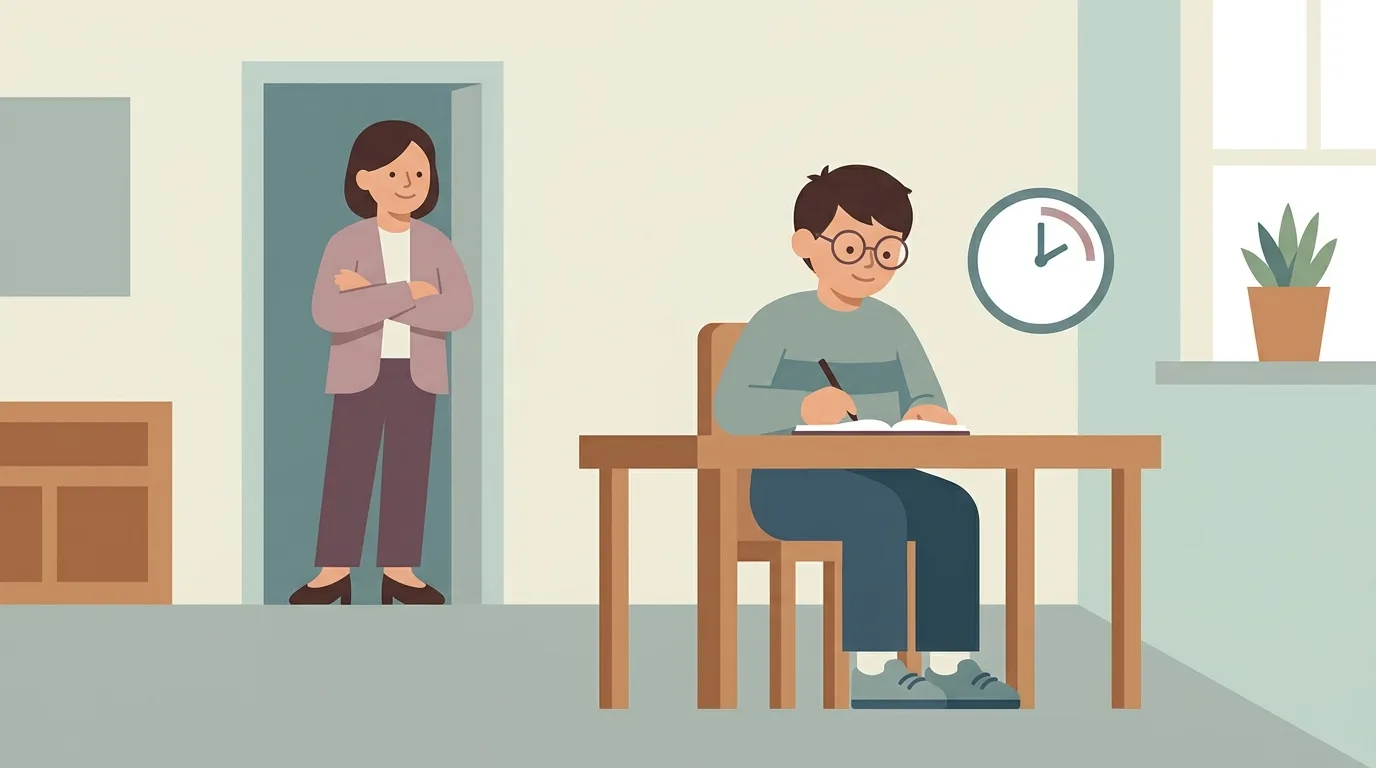
Exam-like practice is useful because it makes pacing, question selection, and blank moments less surprising. It becomes harmful when every rehearsal turns into a verdict about the future.
Keep some practices short: one section, twenty minutes, then a calm debrief. Ask, "What did this tell us to practise next?" rather than "What mark would this be?" When a practice paper goes badly, the goal is to extract a fixable pattern: missed command words, weak timing, forgotten formulae, or a topic that needs teaching again.
Treat sleep and stress as preparation
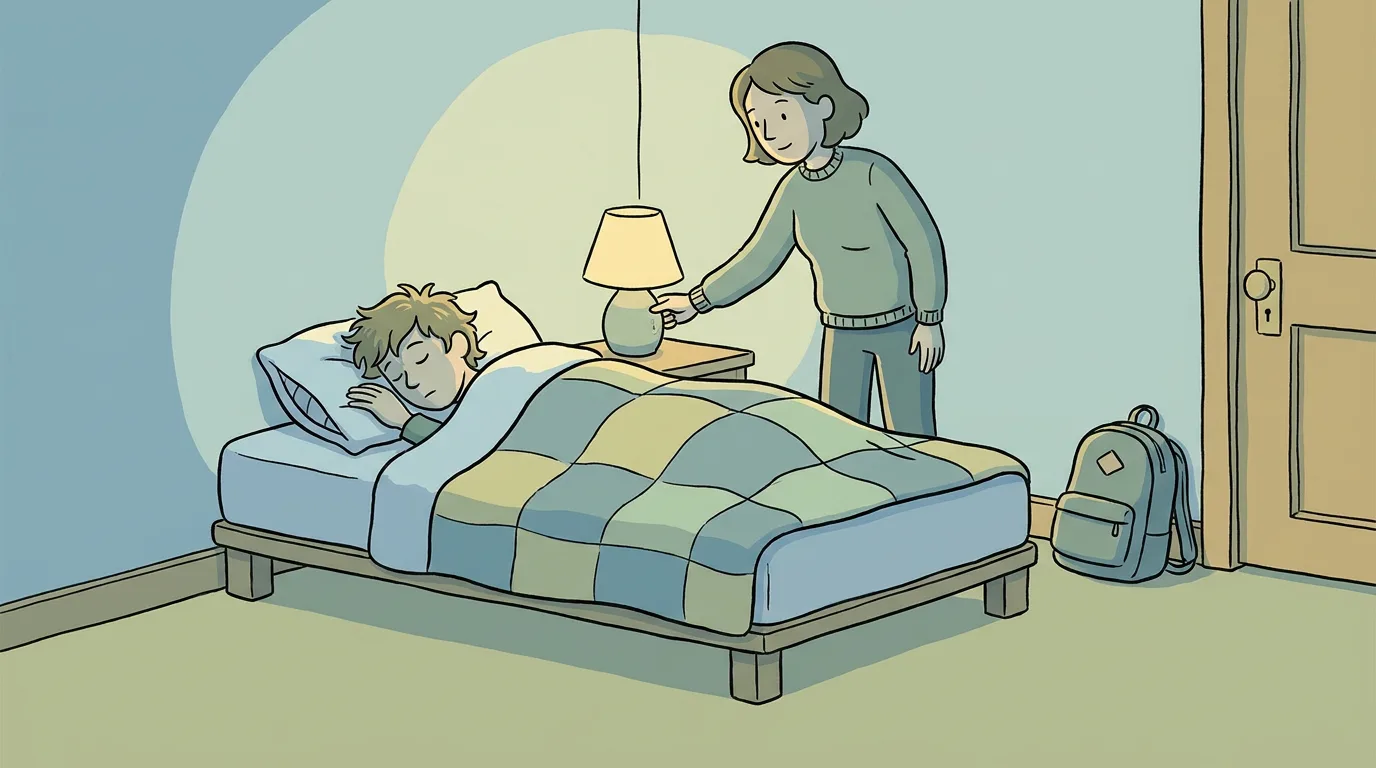
Teenagers need sleep to consolidate learning and regulate mood. Late-night panic study often steals from both. If your child is repeatedly choosing between sleep and finishing the plan, the plan is too full.
A calmer home routine helps most when it is concrete: agree on a shutdown time, pack materials before bed, keep phones away from the bed where possible, and make the morning predictable. For persistent anxiety, avoidance, panic symptoms, or major changes in sleep and appetite, involve the school and a qualified health professional.
Tie confidence to process
Confidence built on "I must get this mark" is fragile. Confidence built on process is sturdier: "I know how to find weak spots, practise them, check them, and come back to them."
Parents can reinforce that by noticing actions, not only outcomes. Name the behaviour you want repeated: starting on time, checking a mistake, asking for help, returning to a hard topic, stopping before exhaustion. Calm preparation is not soft preparation. It is a way of making effort more targeted and more repeatable.